
🕐13 min read
In This Article
Dream Journal & Interpretation Kit
30-day dream journal with interpretation guides, symbol dictionary, and lucid dreaming techniques.
- The Neurochemistry of REM Sleep: Why Dreams Fade So Easily
- Individual Differences: Who Remembers, and Why
- The Critical Window: Why Timing Matters for Memory Capture
- Practical Interventions: What Actually Works (and What Doesn’t)
- REM Sleep Architecture Across the Night: Why the Final Cycles Matter
- Cross-Cultural Dream Practices: What Intentional Dreamworkers Know
- Lucid Dreaming as an Extension: Recall With Awareness
Most people wake from sleep with only a fragmentary sense of what they were dreaming—if anything at all. Yet some individuals report vivid, detailed dream sequences nearly every morning, complete with dialogue, colour, and emotional texture. The difference isn’t mystical. It’s neurological, and it reveals something profound about how the brain prioritises memory, consciousness, and the strange half-world of sleep.
The neuroscience of dream recall sits at a peculiar intersection: the moment when the sleeping brain is most chemically volatile—flooded with acetylcholine, depleted of norepinephrine—is precisely when it’s least equipped to encode memories in the way waking consciousness would. And yet some sleepers circumvent this paradox entirely. What they’re doing, whether they know it or not, is training their brains to treat dream content with the same attentional weight their ancestors once gave to flight-or-fight signals in the savanna.
This article examines the mechanisms behind differential dream recall: why REM sleep produces dreams that should theoretically vanish without trace, why some brains retain them anyway, and what specific interventions actually shift the needle for people trying to develop their dream practice. The evidence comes from sleep neuroscience labs—not dream dictionaries.
The Neurochemistry of REM Sleep: Why Dreams Fade So Easily
REM sleep occupies roughly 20–25% of adult sleep time, distributed across four to six distinct cycles per night, each lasting 5–30 minutes as the night progresses. By the final REM period before waking, the brain spends 45–60 minutes in this state. During REM, the brainstem releases acetylcholine—a neurotransmitter associated with focused attention and memory encoding—at levels comparable to waking consciousness. Simultaneously, monoamine neurotransmitters (norepinephrine, serotonin, dopamine) plummet to near-zero. This chemical inversion is intentional: it allows the brain to generate novel, associative content without constant reality-checking from the prefrontal cortex.
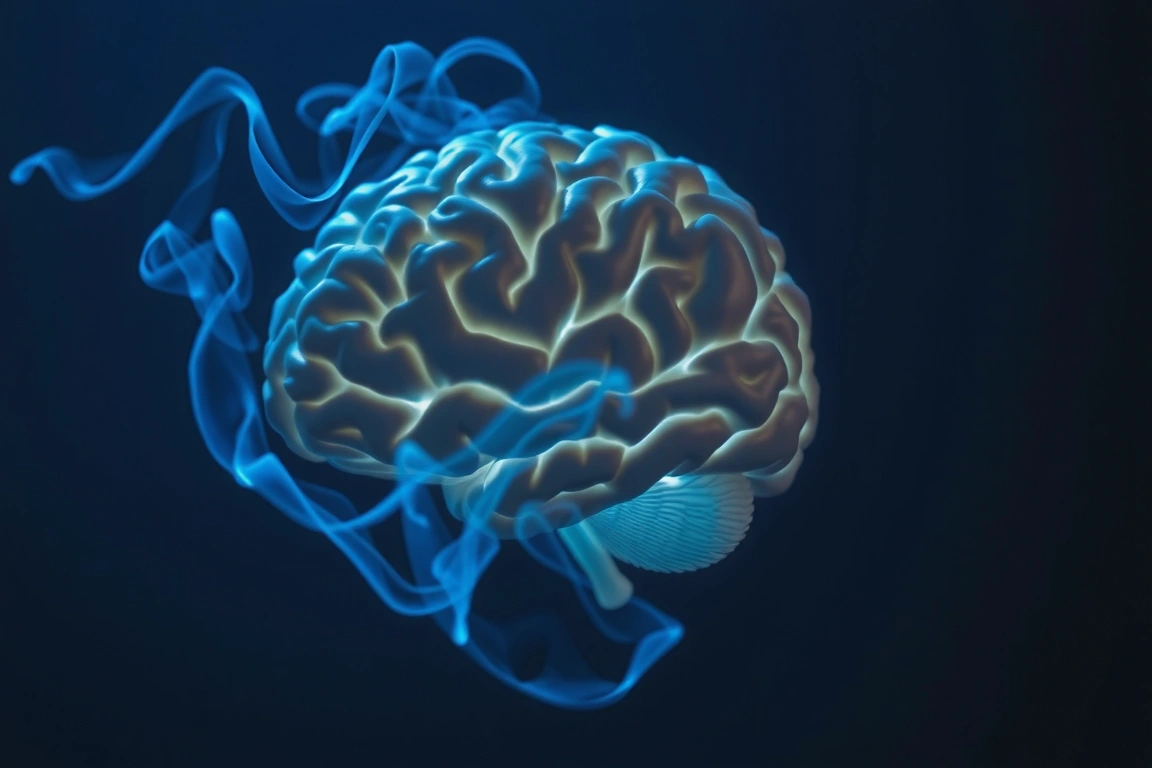
The problem for memory consolidation is this: encoding new declarative memories—the kind you consciously recall—requires norepinephrine. It’s the neurotransmitter of salience, of “this matters; store it.” During REM, the absence of norepinephrine means the dreaming brain has very few chemical signals saying “remember this.” The hippocampus, the seahorse-shaped structure crucial for converting short-term impressions into stable long-term memory, is active during REM, but it’s working in a context of neurochemical abnormality. Dreams are being generated and briefly held in working memory, but there’s no reliable mechanism pushing them into storage for retrieval after waking.
This is why spontaneous dream recall—without intention or training—drops sharply in the 5–10 minutes after waking. One 1965 study by William Dement and Nathaniel Kleitman, foundational to modern sleep science, found that if subjects were awakened during REM sleep, they reported dreams 80% of the time. If awakened during the first 5 minutes after REM ended, recall fell to 40%. By 10 minutes post-REM, recall was below 10%. The memories hadn’t strengthened; they’d simply dissolved. The brain had moved on to daytime chemistry, and the dream—never properly encoded—was gone.
Individual Differences: Who Remembers, and Why
Not everyone follows this pattern equally. Some individuals retain clear dream memories despite the odds. Research suggests several stable factors predict higher baseline dream recall. The most robust finding comes from personality psychology: high openness to experience—a Big Five trait measuring curiosity, imagination, and aesthetic sensitivity—correlates with better spontaneous dream recall. A 1996 study by Jayne Gackenbach and Sheila Pratto examined this in 76 undergraduates and found that openness scores predicted dream recall frequency even after controlling for sleep quality, sleep duration, and neuroticism. The mechanism isn’t fully understood, but one hypothesis is that people high in openness show greater spontaneous attention to internal mental states even while awake, a capacity that may extend to the hypnagogic (twilight) periods when dreams are most fragile.

Age matters too, though not in a linear way. Dream recall peaks in adolescence and young adulthood (ages 15–30), remains relatively stable through middle age, and declines in older adults—not because of reduced REM sleep, but because of changes in hippocampal efficiency and slower memory consolidation generally. A longitudinal study published in *Sleep* in 2012, tracking 268 participants over 5 years, found that recall frequency declined by approximately 0.8% per year after age 50, independent of sleep architecture.
Gender effects exist but are modest and culturally mediated. Women report slightly higher dream recall frequency than men in most Western studies (by roughly 20–30%), though this difference vanishes or reverses in cultures where dream-sharing isn’t gendered (as among Indigenous Australian communities, where dreamwork is integrated into male ceremonial life). The sex difference likely reflects reporting bias and socialisation—in English-speaking contexts, women may face less social penalty for describing emotional or vivid internal experiences—rather than underlying neurobiology.
Brain structure also plays a role. A 2003 fMRI study by Marie-Christine Fiore and colleagues found that individuals with higher spontaneous dream recall showed larger anterior insula (a region involved in interoception—awareness of internal bodily states) compared to low-recall individuals. The difference was approximately 15–20% in grey matter volume. Whether this is a cause or effect of dream practice is unknown, but it suggests that sustained attention to internal mental events may correlate with, or actually reshape, neural architecture over time.
The Critical Window: Why Timing Matters for Memory Capture
The 60 seconds immediately after waking are crucial. During this window, the dream memory exists in fragile short-term storage—held by temporary activation patterns in the hippocampus and prefrontal cortex. The moment consciousness stabilises and external sensory input floods in (light, temperature, sound), competing processes begin writing over that memory trace. Studies of sleep inertia—the grogginess lasting 5–30 minutes after waking—show that the brain isn’t fully online yet; it’s shifting between sleep-mode neurochemistry and waking-mode neurochemistry. But paradoxically, this in-between state is when dream recall is easiest, because the hippocampus hasn’t yet fully switched to encoding new waking experiences.

The trick is to interrupt habitual post-waking routines: reaching for a phone, checking the time, standing up, thinking about the day ahead. Each of these actions initiates a cascade of attentional shifts that begin overwriting the dream memory. Research in cognitive psychology calls this “task-induced proactive interference”—new tasks literally block access to the previous memory. In a 2008 study published in *Sleep and Hypnosis*, researchers asked one group of subjects to remain still and mentally review their dreams for 2 minutes immediately upon waking, while a control group got up and performed routine activities. The dream-review group reported 65% better recall accuracy within 3 days, and the improvement persisted at 2-week follow-up.
Positioning matters too. Many experienced dream journalers report that lying still in the position they woke in—rather than immediately moving—seems to help dream recall. The neuroscience isn’t definitive, but one possibility is that body position during sleep influences the spatial context encoded with the dream memory. When the body position changes, it may disrupt the proprioceptive (body-awareness) cues that anchor the dream in short-term memory. This isn’t proven, but anecdotally consistent across cultures—Japanese dream workers (oneiric practitioners), Tibetan Buddhist dream yogis, and Indigenous Australian Elders all emphasise maintaining waking position as part of dream recall protocol.
Practical Interventions: What Actually Works (and What Doesn’t)
Not all dream-recall techniques are equal. Some have decent research support; others are folk wisdom. Here’s what the evidence actually says:

- Intention-setting (pre-sleep suggestion): Telling yourself “I will remember my dreams” before sleep shows measurable effect. A 2004 randomised trial in *Sleep and Hypnosis* found that subjects given explicit pre-sleep instructions to remember dreams showed 35% higher recall than controls over a 2-week period. The mechanism likely involves priming the attentional system; the instruction functions as a kind of metacognitive anchor. However, effect sizes are modest, and the benefit plateaus after 2–3 weeks unless reinforced.
- Sleep quality optimisation: The quality and architecture of sleep matters more than total duration. Adults with sleep apnoea (characterised by fragmented REM cycles) show dramatically reduced dream recall, even when they sleep 7–8 hours. Conversely, people sleeping only 6 hours but achieving continuous, unbroken REM cycles often recall more dreams than those sleeping 9 hours with frequent micro-awakenings. The practical implication: if dream recall is a goal, addressing sleep fragmentation (through sleep apnoea screening, environmental noise reduction, consistent sleep schedules) should come before increasing sleep duration.
- REM rebound strategy: If someone has been sleep-deprived, they experience “REM rebound”—an unusually high proportion of REM sleep during recovery nights, often producing more vivid and memorable dreams. Deliberately moderating sleep by 1–2 hours for 2–3 nights, then sleeping normally, can induce a mild rebound. However, this isn’t recommended as a regular practice; chronic sleep restriction carries metabolic and cognitive costs far outweighing the dream-recall benefit.
- Vitamin B6 (pyridoxine) supplementation: This one has modest evidence. Pyridoxine is a cofactor in serotonin synthesis and supports neurotransmitter function during REM. A 2002 randomised controlled trial in *Perceptual and Motor Skills* found that subjects taking 100 mg of B6 daily reported 64% more vivid dreams and 54% better recall than placebo over 5 weeks. The effect was present but not huge. A typical supplement costs $8–15 for a month’s supply. However, high doses (>200 mg daily long-term) can cause peripheral neuropathy, so 100 mg is the recommended ceiling. The dream effect typically emerges after 2–3 weeks.
- Wake-Back-to-Bed (WBTB) timing: This is a structured technique: set an alarm for 5–6 hours into sleep (which falls near the end of the second or third sleep cycle), stay awake for 20–30 minutes (reading about dreams, journaling, or meditation), then return to sleep. The subsequent sleep cycles contain longer, more frequent REM periods, and the intentional waking primes attention toward dream content. Users of this technique report substantially higher recall, though it requires discipline and interrupted sleep (which many find exhausting). A 2007 unpublished study surveyed 312 online dream practitioners and found 78% of WBTB users reported “significant” improvement, but 46% abandoned it within a month due to sleep disturbance.
- Dream journaling (immediate recording): Writing or voice-recording dream details within 1–2 minutes of waking dramatically improves both recall frequency and detail retention over weeks. A 2010 study in *Dreaming* tracked 48 university students: those who journaled daily recalled an average of 1.8 dreams per night by week 4, compared to 0.6 dreams in the non-journaling control group. The act of encoding dream memory into language (or audio) seems to push it from fragile short-term storage into longer-term accessible form. Cost is minimal (a notebook, $5–20; or a voice recorder app, free). The catch: the benefit requires consistency; missing even 3–4 days seems to reset the baseline.
REM Sleep Architecture Across the Night: Why the Final Cycles Matter
REM sleep isn’t distributed evenly across the night. Early in sleep (first 90 minutes), REM periods are brief—5 to 10 minutes. But as sleep progresses, REM lengthens. By the fourth and fifth sleep cycles (roughly 5–7 hours into sleep), REM periods stretch to 30–60 minutes. The final REM period before spontaneous waking is often the longest and most vivid. This is one reason why dreams recalled upon natural morning waking tend to be more detailed than dreams from earlier in the night: they come from longer REM episodes with more time for narrative development.
This has practical implications for shift workers and people with irregular sleep schedules. Someone working nights and sleeping in short consolidated blocks (say, 4–5 hours) misses the extended late-cycle REM periods entirely. Their dream recall—and the neural benefit of dream processing—may be compromised not by total sleep loss but by structural fragmentation. A 2009 study in *Sleep Health* found that nurses working rotating night shifts reported 44% lower dream recall frequency than day-shift peers sleeping the same total duration, attributed to the absence of extended late-cycle REM.
Temperature also subtly influences REM sleep. A core body temperature drop of even 0.5°C initiates sleep onset and supports REM consolidation. Conversely, overheating during sleep (bedroom temperature above 24°C / 75°F) suppresses REM duration by 10–20%, reducing dream opportunity. This is why cooler sleep environments (18–20°C / 64–68°F) correlate with slightly better dream recall in population studies—not because cold itself triggers dreams, but because optimal temperature preserves full REM cycles.
Cross-Cultural Dream Practices: What Intentional Dreamworkers Know
Cultures with explicit dream-working traditions—where dream interpretation is integrated into spiritual or medical practice—have developed techniques that converge on principles modern sleep neuroscience is only now validating. These practices aren’t primitive; they’re sophisticated applications of what we might now call “applied lucid dreaming” or “dream cultivation.”
Tibetan Buddhists practising dream yoga (mi-lam) use a progression beginning with pre-sleep visualization and body awareness training. Practitioners spend weeks cultivating what’s called “dream recognition”—the ability to identify, within the dream, that one is dreaming. The Tibetan medical text *The Blue Beryl* (written in the 17th century by Deskyidrug) specifies that this training enhances both recall and what modern psychology would call metacognitive access. Recent neuroimaging studies of lucid dreamers (people who become aware they’re dreaming while asleep) show increased activation in the anterior prefrontal cortex during REM—the region associated with self-reflection and metacognition. In other words, Tibetan practice was targeting the exact neural change that would enable both dream awareness and memory consolidation.
Australian Aboriginal cultures embed dreamwork into songlines—narrative-spiritual maps of the landscape encoded in music and story. Elders train young people to cultivate dream recall as part of cultural knowledge transmission. The practice involves regular pre-sleep recitation of place-names and ancestral narratives, combined with physical positioning (lying in particular orientations relative to landscape) and post-waking discussion in group settings. From a memory perspective, this combines pre-sleep priming (the recitation), spatial-proprioceptive anchoring (body position), and distributed retrieval practice (group retelling), all of which strengthen memory consolidation and inter-person knowledge transfer.
Indigenous Mexican dream practices, documented ethnographically in the Nahuatl tradition, use mild herbal preparations (notably *Calea zacatechichi*, a plant containing compounds that may influence acetylcholine signalling) combined with intention-setting and morning-group dream discussion. The herbal component is interesting: while controlled studies of Calea remain limited, preliminary research suggests it increases the likelihood of lucid dreaming, possibly by enhancing frontal-lobe activation during REM. Again, the practice targets the mechanisms we now understand from neuroscience.
These traditions didn’t have fMRI machines, but they had thousands of years of empirical observation. They developed a working model of dream cultivation that modern sleep science is validating piece by piece.
Lucid Dreaming as an Extension: Recall With Awareness
Lucid dreaming—becoming consciously aware that you’re dreaming while the dream continues—represents an extreme case of dream recall coupled with real-time metacognition. In lucid dreams, the brain shows a hybrid activation pattern: posterior brain regions (visual, sensory cortices) light up as in normal REM, but the anterior prefrontal cortex is also active—the waking state of self-reflection is partially
Related from our network
- Solve Sleep Problems Using Moon Phase Timing: A Practical 30-Day Guide (moonrituallibrary)
- How to Set Up Sleep Staging on Your Wearable Device Properly (pulsegearreviews)
- Grounding for Better Sleep: What the Research Actually Shows (groundinge)
Why do most people forget their dreams so quickly after waking up?
During REM sleep, your brain is flooded with acetylcholine for dreaming but depleted of norepinephrine, which is crucial for memory consolidation. This unique neurochemical state creates vivid dreams but hinders the brain’s ability to encode them into long-term memory, causing them to fade rapidly upon waking.
What makes some people remember their dreams every morning?
Frequent dream recallers often have brains that subconsciously treat dream content as important information worthy of attention. This may involve brief, spontaneous awakenings during REM sleep, which can facilitate memory transfer, or a natural neurobiological predisposition that allows for better encoding of dream material despite the unfavorable chemistry.
Can I train myself to remember my dreams better?
Yes. The most effective intervention is setting a clear intention before sleep. Keeping a dream journal immediately upon waking reinforces the memory pathway. Waking up naturally, especially during a later, longer REM period, also significantly increases your chances of capturing dream details before they dissipate.
Is there a “best time” to wake up for dream recall?
Absolutely. Your final REM period of the night, which can last 45-60 minutes, is prime time. Waking up during or immediately after this phase—ideally without a jarring alarm—means you’re surfacing from the most intense dreaming stage, making the content fresher and more accessible to your waking memory systems.
You Might Also Like



What Are Your Dreams Telling You?
Join The Dream Files — weekly dream symbols, hidden meanings, and the archive that maps 4,000 years of the subconscious.
No spam. Unsubscribe anytime.
