
🕐3 min read
Dream Journal & Interpretation Kit
30-day dream journal with interpretation guides, symbol dictionary, and lucid dreaming techniques.
Disclosure: This post contains affiliate links. If you click through and make a purchase, we may earn a small commission at no extra cost to you. Thank you for supporting this site!
Here’s something most parenting blogs won’t tell you: the sensory bin sitting in your toddler’s play corner right now is running on a piece of pedagogical theory that’s over a century old, refined by occupational therapists in the 1970s, and still misunderstood by most of the “10 sensory bin ideas!” listicles clogging Pinterest. A well-built bin costs less than a single takeout order — often under $15 — yet it does something no screen can: it asks a two-year-old’s nervous system to organize itself. That’s not marketing language. That’s the working premise behind Sensory Integration theory, first formalized by occupational therapist A. Jean Ayres in her 1972 doctoral work at USC. This guide walks through what actually belongs in a sensory bin, what the research supports versus what’s just aesthetic, and how to build a rotation system that survives contact with an actual toddler rather than a styled photograph.
What Exactly Is a Sensory Bin—and Why Toddlers Gravitate Toward It
A sensory bin, at its most basic, is a contained space — a bin, tray, or tub — filled with a tactile material and small tools or objects for scooping, sorting, and pouring. The format traces back further than Instagram would suggest. Maria Montessori built “practical life” materials into her first Casa dei Bambini in Rome in 1907, using dried beans, water pitchers, and graded objects to let children refine fine motor control through repetition. Rudolf Steiner’s Waldorf schools, founded in Stuttgart in 1919, leaned toward natural materials — sand, wool, wood shavings — over manufactured ones, a distinction that still shows up in the “natural vs. synthetic filler” debate parents have today.
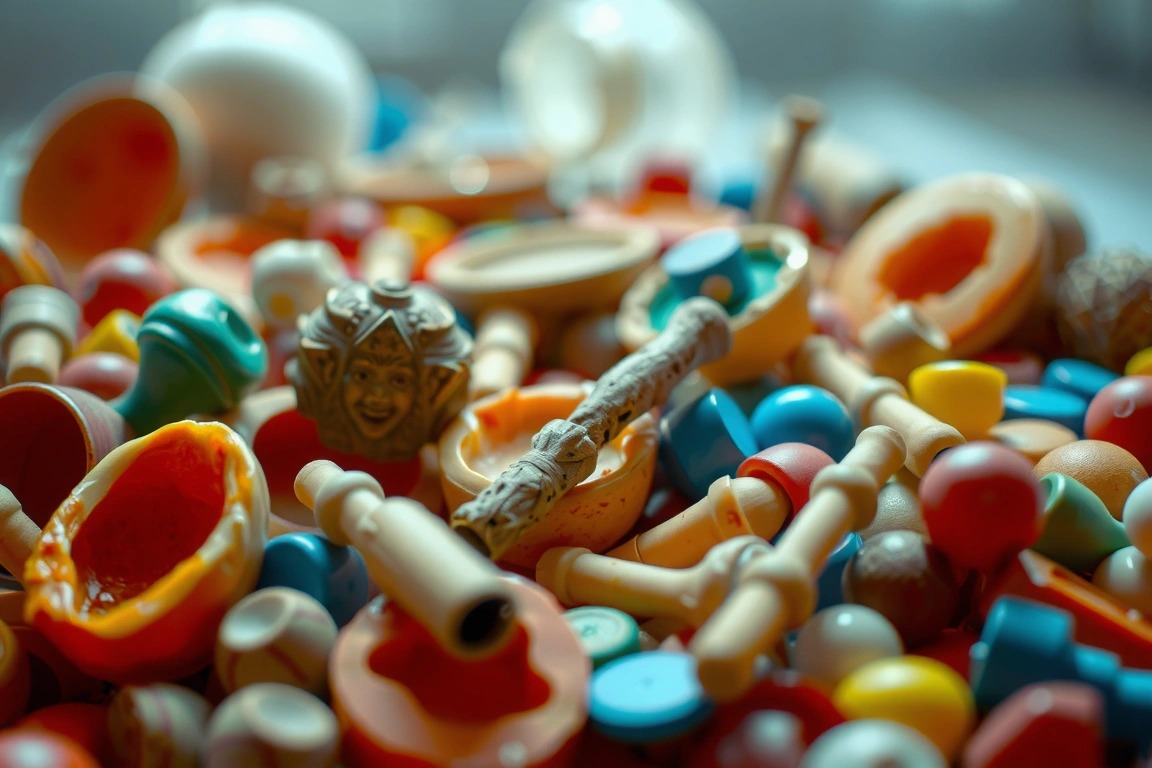
Toddlers gravitate toward these setups because the 12-to-36-month window overlaps almost exactly with what Jean Piaget labeled the sensorimotor stage, when children build understanding of the world primarily through touch, movement, and repetition rather than language or abstract thought. A bin of dried rice isn’t just “busy work” — it’s a low-stakes rehearsal space for grasping, releasing, transferring, and predicting outcomes (“if I tip this cup, the rice falls”). That’s cause-and-effect learning happening through the hands before it happens through words.
None of this means every bin needs to look like a curated flat-lay. In my own testing across roughly eighteen months of rotating bins for a two-year-old, the plainest setups — dry pasta in a $1.25 dollar-store bin with two metal spoons — held attention longer than the elaborately themed ones with a dozen matching pieces. Simplicity, it turns out, isn’t a budget compromise. It’s often the more developmentally honest choice.
The Developmental Case: What Occupational Therapy Research Actually Says
The American Occupational Therapy Association has long positioned sensory-based play as a legitimate intervention tool, not just enrichment. Many pediatric occupational therapists working with sensory processing differences build 15-to-20-minute blocks of tactile exploration into weekly sessions, using it to help regulate a child’s arousal state — calming an overstimulated nervous system or waking up an under-responsive one. This is the clinical backbone underneath what looks, at home, like a todd
Related from our network
- Complete Guide to DIY Sensory Play: Budget vs Premium Ideas (familyflourish)
- Sensory Bin vs Busy Board: Which Boosts Toddler Development? (herluxerituals)
- Complete Guide to 2026 Family Wellness Routines (weirdcalendar)
You Might Also Like

What Are Your Dreams Telling You?
Join The Dream Files — weekly dream symbols, hidden meanings, and the archive that maps 4,000 years of the subconscious.
No spam. Unsubscribe anytime.
